

How to Compare The Citizenry vs Sabai Design
Last Updated: 26 October 2026
Quick Summary
Citizenry vs Sabai comes down to breadth against focus: The Citizenry offers a broad, artisan-led range of furniture, bedding and textiles with longer made-to-order lead times, while Sabai Design keeps a narrow collection of sofas and chairs built on recycled materials and a repair-and-recycle promise. Choose Sabai for small spaces and quick decisions, The Citizenry for layered, characterful rooms.
- The Citizenry covers furniture, bedding, textiles and décor; Sabai Design focuses on sofas, chairs and a few accessories.
- Sabai's sustainability claims rest on recycled fibres, FSC-certified wood and a repair-and-recycle programme.
- Check the delivery estimate on the product page, as made-to-order Citizenry pieces take longer than stocked ones.
- Compare the total cost of the room, including delivery, duties, cushions, a rug and a lamp.
- Measure the floor area and narrowest doorway before deciding which brand suits your space.
Table of Contents
- How to compare The Citizenry vs Sabai Design at a glance
- The Citizenry furniture review: what the collection actually offers
- Sabai Design sustainability: what the claims rest on
- The Citizenry furniture delivery and returns: what to expect
- How to judge materials and construction on both sides
- Which brand suits which room and which budget
- How to weigh up Citizenry vs Sabai for your own home
- Choosing pieces that will still earn their place in five years
- Frequently Asked Questions
How to compare The Citizenry vs Sabai Design at a glance
The Citizenry vs Sabai Design comparison comes down to two different ideas about a well-made home. The Citizenry builds its range around artisan-made textiles and furniture from workshops around the world, with a strong editorial eye for linen, leather and warm neutrals. Sabai Design takes a narrower, more urban route: a small collection of sofas and chairs made with recycled and lower-impact materials, sold on a repair-and-recycle promise.
At Extraordinary Emporium, we curate artisan pieces for homes that want character rather than a showroom look, so we read both brands with a practical eye. Below, we set out what each one actually offers, where the claims need checking, and how to decide which suits your room, your budget and your patience.
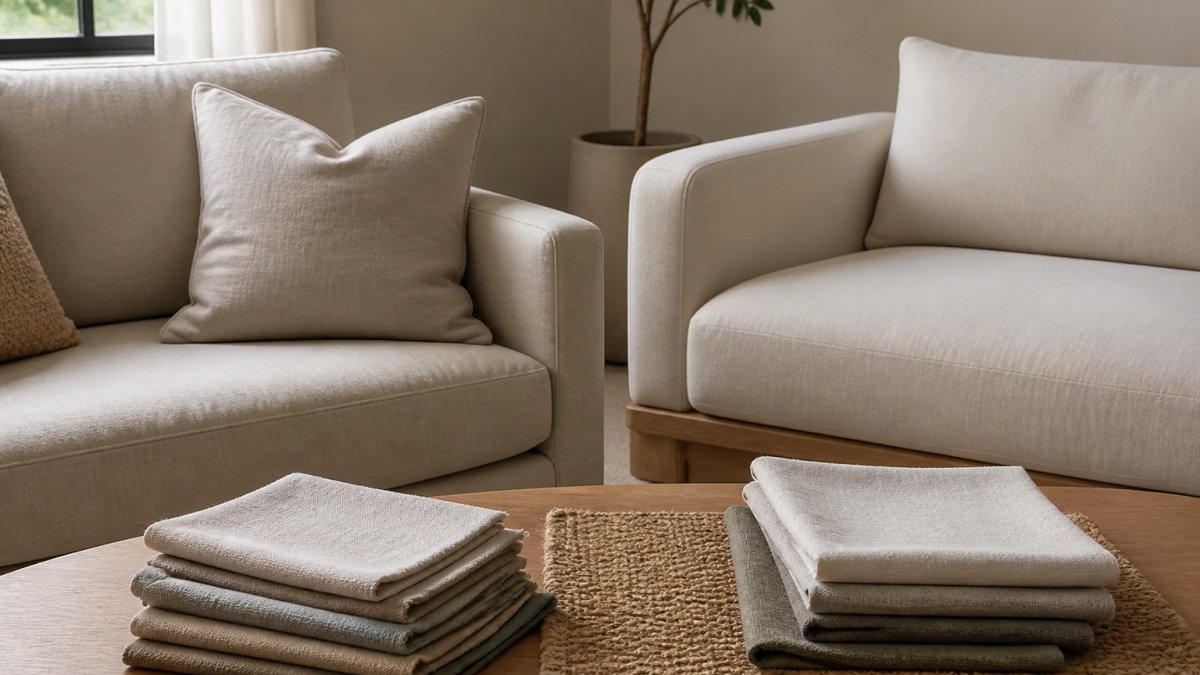
| Question | The Citizenry | Sabai Design |
|---|---|---|
| Range | Broad: furniture, bedding, textiles, décor | Narrow: sofas, chairs, a few accessories |
| Look | Warm, layered, artisan-led | Clean, compact, modern |
| Materials | Linen, leather, solid wood, wool | Recycled and lower-impact fabrics, FSC-certified wood |
| Lead times | Longer, made-to-order in places | Shorter, stocked designs |
| Best for | Layered, characterful rooms | Small spaces, quick decisions |
The Citizenry furniture review: what the collection actually offers
A Citizenry furniture review usually starts with the look, and rightly so. The range leans on natural fibres, visible grain and soft, undyed palettes. You will find slipcovered sofas, leather chairs, oak and mango wood tables, and a deep bedding and textile offer that carries much of the brand's reputation.
The trade-off is breadth over depth. Individual furniture pieces are chosen for a certain aesthetic rather than engineered around a huge range of sizes, so measure carefully and read the dimensions rather than assuming a standard fit. Many pieces are made to order, which shapes both the lead time and the returns position.
What most guides miss is how much of the appeal sits in the styling. The furniture is designed to be layered with throws, rugs and lamps, so a single piece can look quieter in your room than it does on screen. Budget for the layers, or accept a more pared-back result.
Sabai Design sustainability: what the claims rest on
Sabai Design sustainability is the brand's central argument, and it is more specific than most. The company talks about recycled fibres, FSC-certified wood, low-impact finishes and a repair-and-recycle programme for its sofas. That specificity is a good sign, because vague green language is harder to check.
It is still marketing, and marketing rewards scrutiny. Ask which parts of a sofa use recycled content, whether the certification covers the frame or only part of it, and what the repair programme actually covers in practice. A claim that applies to one component should not be read as applying to the whole piece.
For a practical way to separate real commitments from decoration, our guide to spotting greenwashing in furniture walks through the questions worth asking before you buy.
The Citizenry furniture delivery and returns: what to expect
Delivery is where the romance meets the calendar. The Citizenry ships internationally, and made-to-order pieces take longer than stocked ones, so the honest answer is that timing varies by item and destination. Check the current estimate on the product page rather than trusting a general figure, and confirm who handles duties and any import charges before you commit.
Returns are usually accepted within a set window on unused items in original packaging, with some exclusions for made-to-order or final-sale pieces. Read the policy for the specific item, not the site-wide summary. For a realistic picture of how long artisan furniture takes to arrive, see our guide to artisan furniture delivery timelines.
How to judge materials and construction on both sides
Forget the labels for a moment and look at the joints. A well-made piece shows tight, consistent joinery, a frame that does not flex when you press a corner, and a finish that feels even under the hand. On upholstery, check whether the fabric is tight across the seat and whether the cushion covers come off for cleaning.
Material words need translating. Solid wood is not the same as veneer, an oak-coloured finish is not oak timber, and a leather contact surface is not an all-over leather sofa. Ask directly which parts are which.
Our guides to sustainable materials for modern furniture and the signs of high quality handcrafted furniture give you the vocabulary to ask better questions.
Which brand suits which room and which budget
Sabai suits a compact flat, a first properly furnished living room, or anyone who wants a sofa decision settled in an afternoon. Its designs are built around smaller footprints and quick delivery.
The Citizenry suits a bedroom, a layered sitting room or a dining space where you want texture and a slower, collected feel. It rewards patience and a willingness to wait for the right piece.
On budget, neither is the cheap option, and we will not pretend otherwise. Compare the total cost of the room, not the headline price of one sofa: delivery, duties, cushions, a rug and a lamp all count.
How to weigh up Citizenry vs Sabai for your own home
When you weigh up Citizenry vs Sabai, start with the room rather than the brand. Write down the dimensions, the light, and how the space is actually used. Then match the brand to the constraint, not the mood board.
- Measure the floor area and the narrowest doorway on the route in
- Decide whether you can wait for a made-to-order piece
- Ask which materials are certified and which parts they cover
- Confirm the delivery estimate and who pays import charges
- Read the returns policy for that exact item
- Check the care instructions before you fall for the fabric
Our guide to verifying ethical furniture sourcing turns those last points into a proper checklist.
Choosing pieces that will still earn their place in five years
The test of any piece is not how it photographs on delivery day. It is whether you still want it in five years, when the trend has moved on and the cushion has softened. Buy for the room you have, in a material you can care for, from a brand whose claims you have actually checked.
That is the standard we hold the Extraordinary Emporium collection to. We select artisan pieces for their grain, their shape and the way they settle into a home, and we would rather you bought one thing you keep than three you replace. Browse the collection and find the piece that earns its corner.
Frequently Asked Questions
What is the difference between The Citizenry and Sabai Design?
The two brands take different routes to a similar shopper. The Citizenry is a curated collection built around artisan-made pieces and a strong sense of place, with a broad range covering seating, beds and textiles. Sabai Design focuses on a smaller core of seating, with sustainability presented as the organising idea behind its materials and its repair and recycling options. Before you buy, check the specific material and construction details for the exact piece you want, rather than assuming the whole range behaves the same way.
Is Sabai Design furniture sustainable?
Sabai Design sustainability claims centre on material choices and on keeping furniture in use rather than sending it to landfill, which is a more useful measure than a single eco label. Ask for the specifics behind any claim: which materials are recycled, what proportion of the piece they make up, and whether replacement covers and parts are available. Those details tell you far more about how the piece will age than a general statement about being green.
What should you check before buying a sofa from either brand?
Start with the frame material and how the joints are made, then the seat filling and whether covers can be removed for cleaning. Confirm the dimensions against your actual room, including doorways and stair turns, because a sofa that will not go up the stairs is an expensive mistake. Finally, read the delivery and returns terms line by line. For a Citizenry vs Sabai decision, that last step often matters more than the styling photographs.
How do delivery and returns compare between the two brands?
Both ship furniture rather than small parcels, so expect longer lead times than a high-street purchase and check whether delivery is to the doorstep or into the room. The Citizenry furniture delivery and returns terms set out the window and any conditions on returning a large item, and Sabai publishes its own. Read the small print on who covers return shipping and what condition the piece must be in. Order fabric samples first so you are not relying on a screen to judge colour.
